Beginner Crochet Supplies: What You Actually, Really, Truly Need (And What You Don’t)
Crochet has a reputation for being cozy and comforting. And it is! But the moment you start looking up supplies, things can get overwhelming (and expensive) fast.
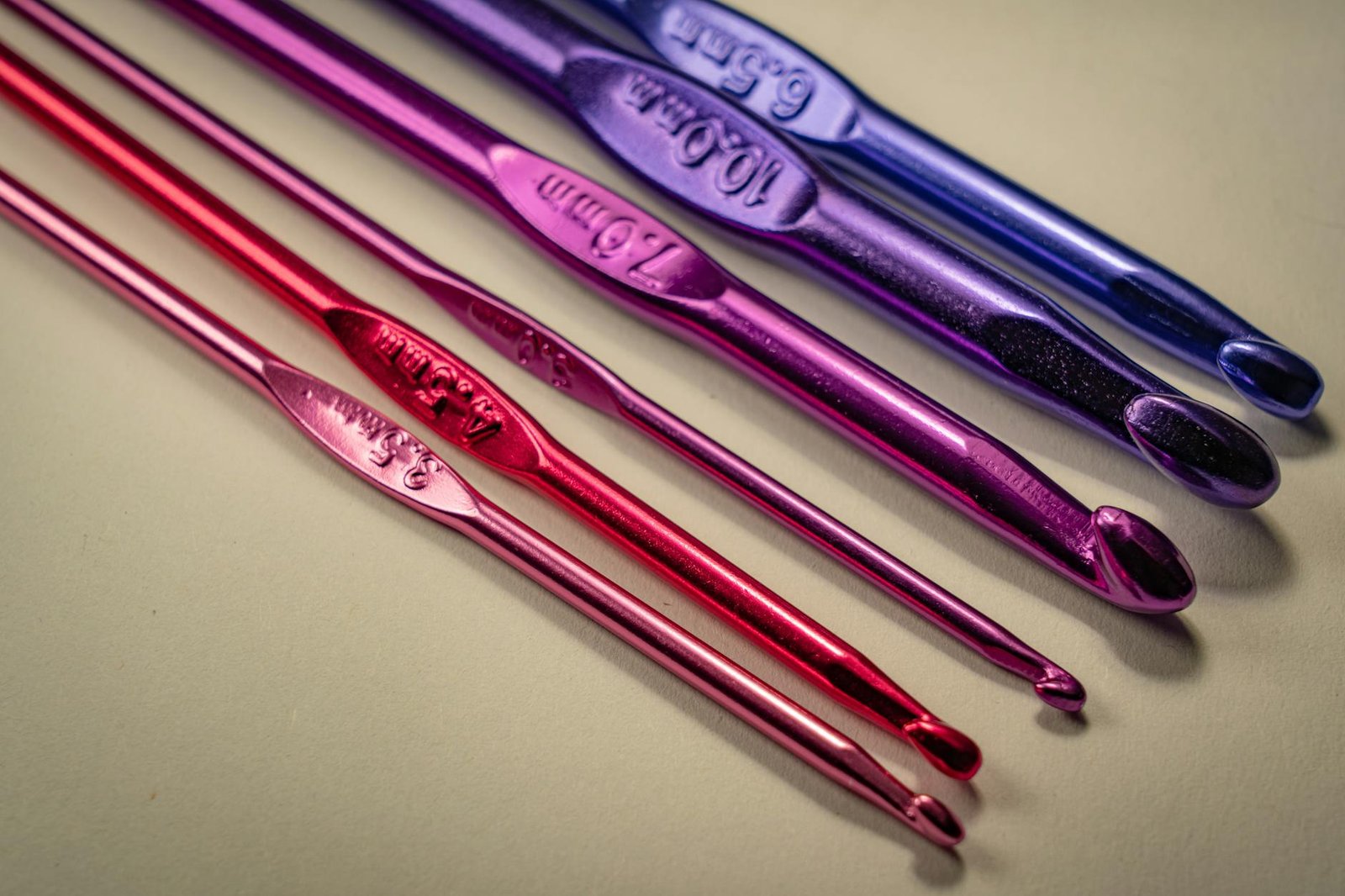
Hooks that come in a dozen materials, shapes, and colors; yarn walls that feel impossible to decode (but are really lovely to look at); stitch markers, counters, cases, gadgets, and somehow an entire aisle devoted to things you’re not even sure you can do yet. The good news is that you need far less than you think to get started with crochet. And a lot of the stuff marketed to beginners is optional at best. So let’s simplify this. I’m going to tell you exactly what I had when I started. And coincidentally, these are:
The Three Things You Actually Need
If you have these three items, you can start crocheting today. Right now, even. And these same supplies are all you need for simple practice and your first easy projects.
1. Yarn (You don’t even need a full skein!)
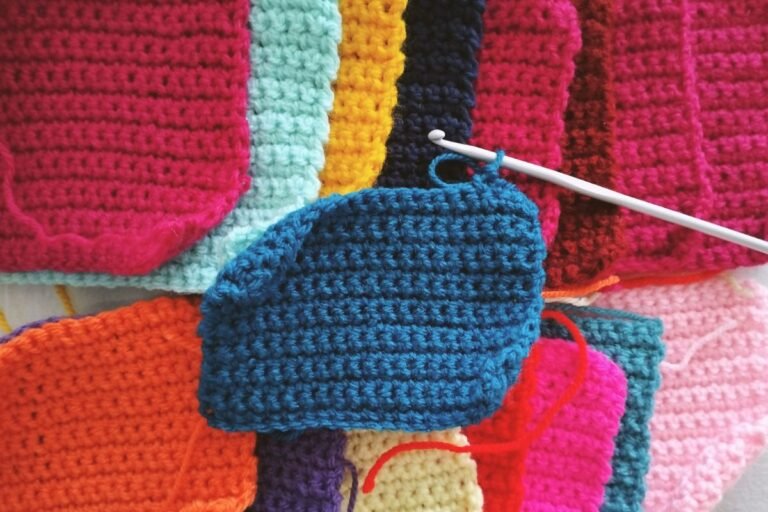
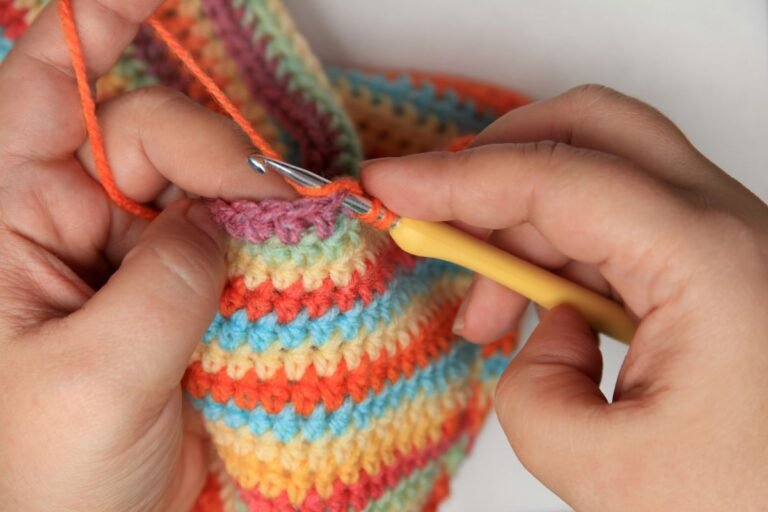
For beginners, the goal is visibility and forgiveness, not luxury. So look for basic, medium-weight yarn (often labeled worsted weight or #4), but don’t go super cheap. If it doesn’t feel good in your hands, you won’t want to stick with it. A basic acrylic yarn such as this is easy to see and forgiving for beginners. Also, anything lighter weight will drive you crazy. You want to get a feel for tension before trying to crochet with string.
You don’t need natural fibers yet. Acrylic is fine. Don’t listen to the yarn snobs. Although there are environmental considerations, acrylic is inexpensive and super easy to care for (washer- and dryer-friendly for the win!), and there are some really lovely acrylics out there.
Choose a light or mid-tone color so you can see what you’re doing. Do Not Begin With Black Yarn; it’s hard to see your stitches and will cause you to swear. A lot. (Not that there’s anything wrong with that.)
You also want a smooth texture. Leave the fuzzy, fluffy, novelty stuff for later. Much later. Eyelash or boucle yarn is frustrating and, honestly, ridiculous to work with, even for experienced crocheters. And again, likely to induce swearing.
Also, and maybe most importantly, you absolutely don’t need a project picked out yet.
2. One Crochet Hook
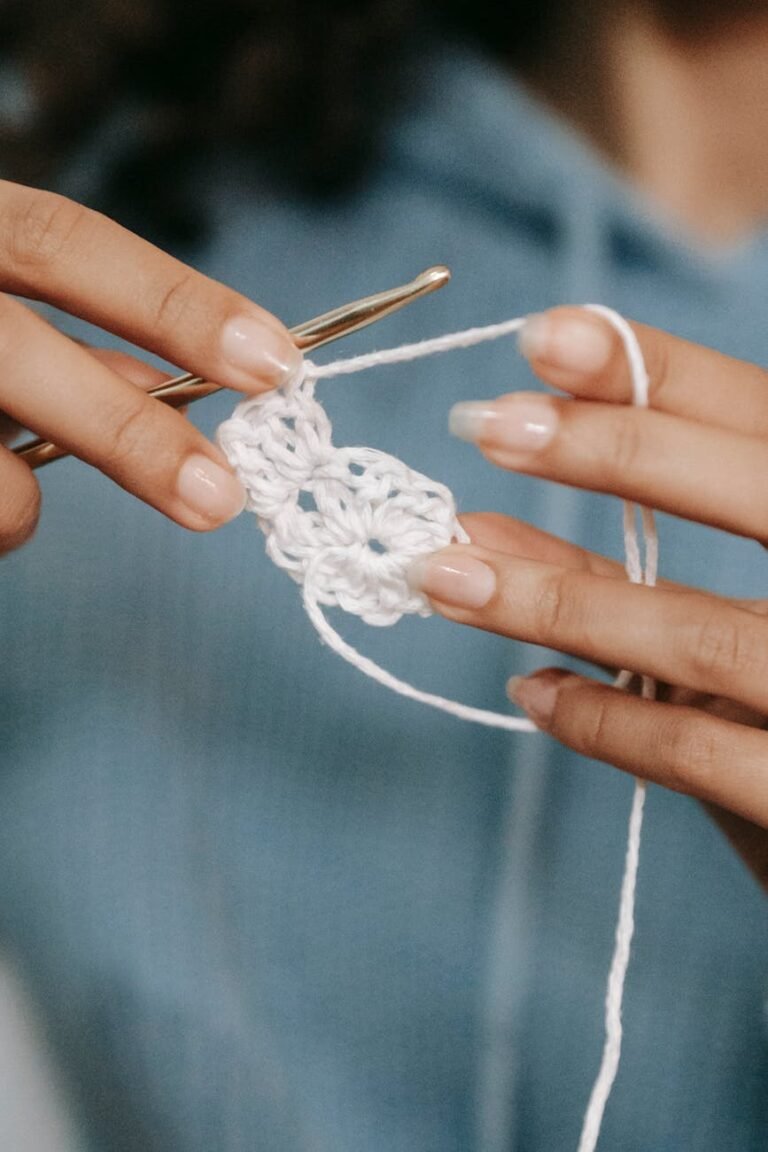
You do not need a full hook set. Start with one hook. Size H/8 (5.0 mm) is a very safe choice for beginners. Aluminum or plastic is easier to work with at first than bamboo or wood. A comfortable grip is nice, but not required.
You’ll learn quickly whether crochet clicks for you — then you can spend all your money expand later.
3. Scissors (Any Kind)
These do not need to be special. Sewing scissors, kitchen scissors, or whatever you already own will do. I actually use my kids’ old elementary school safety scissors as travel scissors.
This is not the place to upgrade. (Save your money for all the beautiful hooks. LATER.)
Nice-to-Have (But Not Required)
Once you’ve tried a few chains/rows and want to continue, these items can help, but again, they are not mandatory.
Stitch Markers
Stitch markers are useful for marking the beginning of a row, keeping track of repeats, and just maintaining your sanity. But before dropping some cash, you should know that you can also use safety pins, paper clips, bits of scrap yarn, or even bread twist ties, in a pinch. (Ask me how I know).
If you prefer dedicated tools, simple locking stitch markers like these are inexpensive and easy to use, but you can absolutely make do with safety pins or scrap yarn.
Yarn Needle
Yarn needles are super helpful for weaving in ends (evil laugh) and finishing projects neatly. A basic yarn needle like this makes weaving in ends easier, but it’s not something you need on day one. If you don’t have one yet, it’s not the end of the world. Nobody likes weaving in the ends anyway.
What You Do Not Need Right Now
This is where beginners often overspend. You can safely skip:
- Large hook sets
- Fancy storage cases
- Stitch counters
- Blocking mats
- Specialty yarns
- Pattern books
None of these makes crochet easier at the beginning. They just add pressure. And cost.
A Simple Guide (Without the YouTube Rabbit Hole)
You know what I mean. You go looking for crochet stitches, and three days later, you find yourself homesteading in the middle of nowhere with a canoe, a goat, and a flock of chickens.
Once you have a hook and some yarn in front of you, the next question is usually the same: Okay… now what?
Learning crochet doesn’t have to mean diving into complicated patterns or memorizing a dozen stitches on day one. The beginning can be much simpler than that.
If you’re wondering where to start — what to learn first, how fast to go, and how to avoid getting overwhelmed — this post walks through the whole process step by step:
How to Learn Crochet Without Getting Overwhelmed
It covers choosing a teacher, letting your hands learn at their own pace, and building confidence without pressure. Once you’ve read that, come back here, gather your supplies, and start when you’re ready.
A Quick Word on Being a Beginner
At first, you won’t think you’re holding the hook/yarn right. Your first stitches will be uneven. Your tension will feel awkward. Your edges will wander.
This is normal.
You learn crochet through muscle memory, not instructions. Your hands figure it out by doing, not by buying better tools. If something feels clumsy, it doesn’t mean you’re bad at it. It just means you’re learning.
Start Small. Let It Be Enough.
You don’t need a finished project to “count” as crocheting. A square. A strip of single crochets. A pile of practice chains. These are all crocheting. And they’re all real progress.
Crochet works best when it’s quiet and low-pressure. Pick it up because it feels good to use your hands, not because you’re trying to produce something impressive.
Start with less. Add only what you actually need. Use all those other things as an incentive to keep going. Once you have the basics, the next step is learning how to crochet without putting pressure on yourself to get it “right” immediately.
No rush.
No pressure.
That’s how cozy hobbies stay cozy.
Just one stitch at a time.
Some links in this post may be affiliate links, which means I may earn a small commission at no extra cost to you. I only recommend tools I genuinely believe are helpful for beginners.