Beginner Hand Sewing Supplies: What You Actually, Really, Truly Need (and What You Don’t)
If you’ve ever searched for hand sewing supplies, you’ve probably been met with designer websites, fancy tools, and starter kits filled with things you don’t recognize. It’s easy to assume you need all of it just to begin.
The truth is you don’t.
Hand sewing is one of the most low-barrier crafts you can learn. You don’t need a big investment or a drawer full of tools. You just need a few basic items and a little patience. If you’re brand new, you might want to check out
Hand Sewing for Beginners before gathering supplies.
Here’s exactly what you need to get started with hand sewing, and what you can safely skip.
The Absolute Essentials
These are the only items you truly need to begin hand sewing.
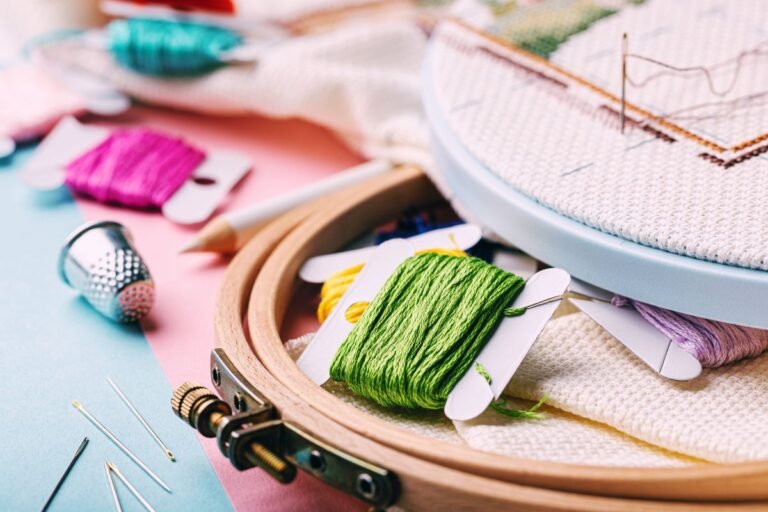
1. Hand Sewing Needles
Choose a small pack of assorted hand sewing needles. This gives you a few different sizes to experiment with.
Look for needles labeled “Sharps” or “All-purpose hand needles.”
You don’t need specialty needles yet. Nothing fancy, just reliable everyday needles. A basic assortment is perfect for beginners.
2. Thread
Start with one or two neutral colors:
- Black
- White
- Gray or beige
Cotton or polyester all-purpose thread works well for most projects. One spool of each will last you for a very long time. No need to go crazy here. You don’t need embroidery floss, heavy-duty thread, or anything fancy at this stage.
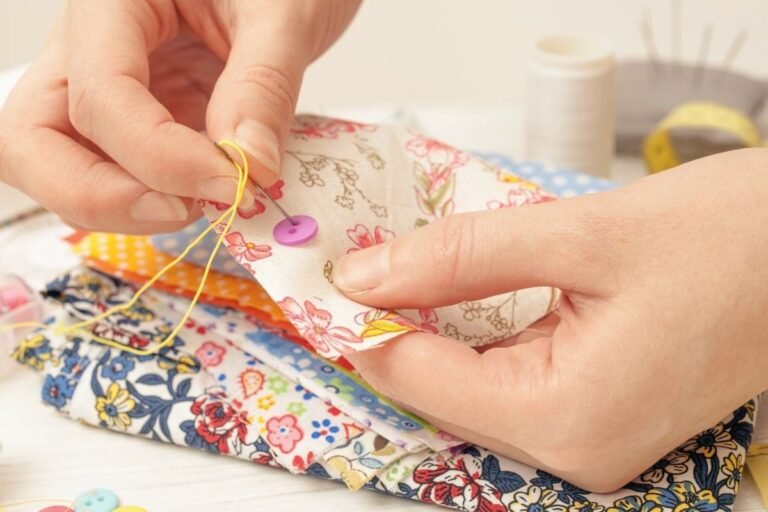
3. Fabric (Scraps Are Perfect)
You don’t need to buy fabric to start practicing.
Great beginner options:
- Old pillowcases
- Worn-out cotton shirts
- Fabric scraps from previous projects
- Those jeans with the hole in an inconvenient place that you just can’t bring yourself to throw out
If you’re like me, though, and absolutely feel the need to start with new fabric, fat quarters – small pre-cut fabric pieces usually about 18″ x 22″ – are a great option. Choose woven cotton fabric if possible. It’s stable, easy to stitch, and forgiving for beginners.
4. Scissors
Any sharp pair of household scissors will work at first.
Eventually, it’s nice to have fabric-only scissors, but for now, use what you already own and make sure they cut cleanly. If you decide you do want dedicated fabric scissors later, these If you want dedicated fabric scissors later, these budget friendly fabric scissors are a solid starter option.
With just these four things, you can:
- Learn basic stitches
- Practice seams
- Make simple projects
- Learn to mend items
Helpful (But Optional) Tools
These tools are nice to have, but not required.
1. Pins or Clips
Pins help hold fabric pieces together while you sew.
If you don’t have pins, you can sew slowly and hold fabric in place with your fingers. Binder clips are also surprisingly useful. If you do buy pins, look for standard straight pins.
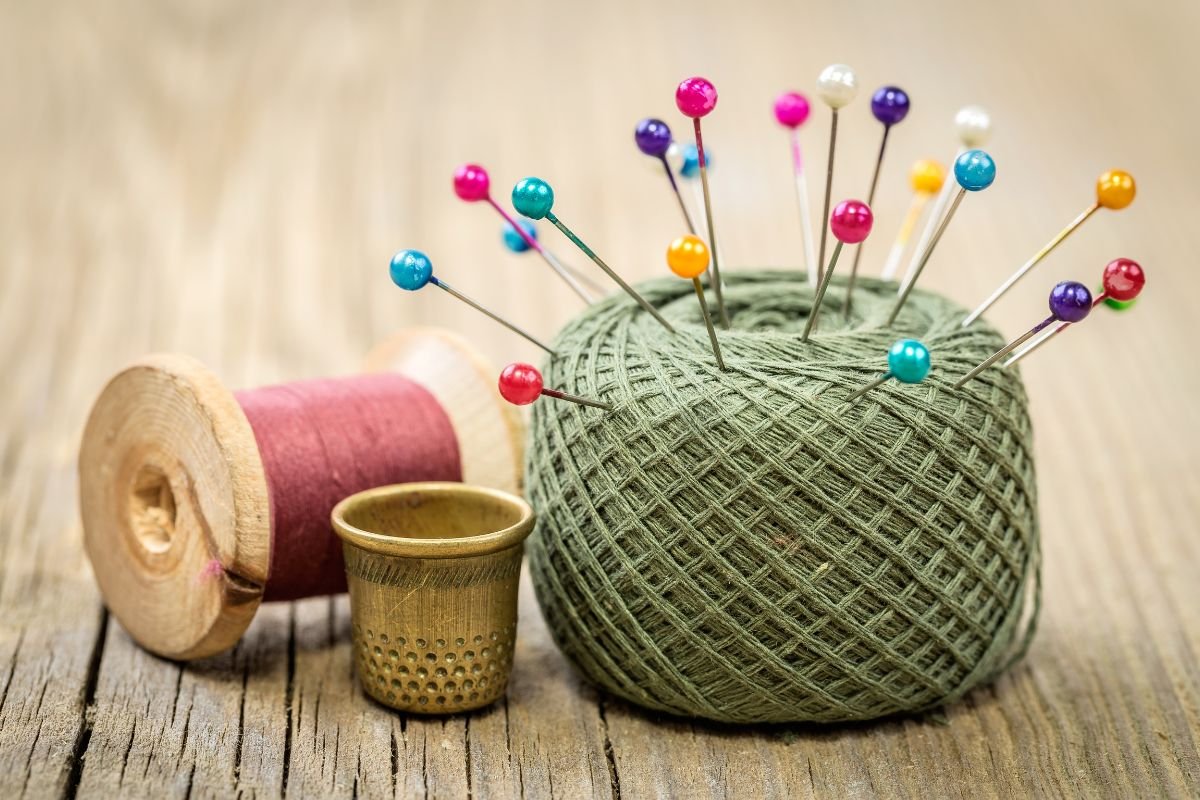
2. A Thimble
A thimble protects your finger when pushing the needle through thicker fabric.
Many beginners skip this at first — and that’s okay.
If your fingers start to feel sore, try a simple metal or silicone thimble.
3. Seam Ripper
Mistakes happen.
A seam ripper makes it easier to remove stitches cleanly.
If you don’t have one, small scissors or a needle can work in a pinch
What You Don’t Need (Yet)
It’s easy to overbuy when you’re starting something new.
You can safely skip:
- Rotary cutters
- Cutting mats
- Specialty needles
- Thread organizers
- Sewing kits with 50+ tools
These tools can be useful later, but they’re not necessary to learn the basics.
Why Starting Small Matters
Keeping your supplies to a minimum does two important things:
- It removes decision fatigue.
You spend less time choosing tools and more time actually sewing. - It lowers pressure.
You don’t feel like you’ve invested too much before you even know if you enjoy it.
Hand sewing is meant to be calm, slow, and approachable. Your supplies should support that, not complicate it.
What’s Coming Next
Once you have a few basic supplies, the next step is learning the small handful of stitches that do most of the work in hand sewing:
The Basic Hand Sewing Stitches That Actually Matter
And when you’re ready to start practicing and making something simple, we’ll walk through that next — slowly, calmly, and without pressure.
No rush.
No pressure.
Just one stitch at a time.
Some links in this post may be affiliate links, which means I may earn a small commission at no extra cost to you. I only recommend tools I genuinely believe are helpful for beginners.