Hand Sewing for Beginners: A Calm Way to Start Sewing
If the idea of learning to sew makes you picture noisy machines, confusing patterns, and a steep learning curve, you’re not alone. Sewing has a reputation for being incredibly practical, but also incredibly intimidating.
Here’s the good news: You don’t need a sewing machine to start sewing. Just your hands! (and a few supplies).
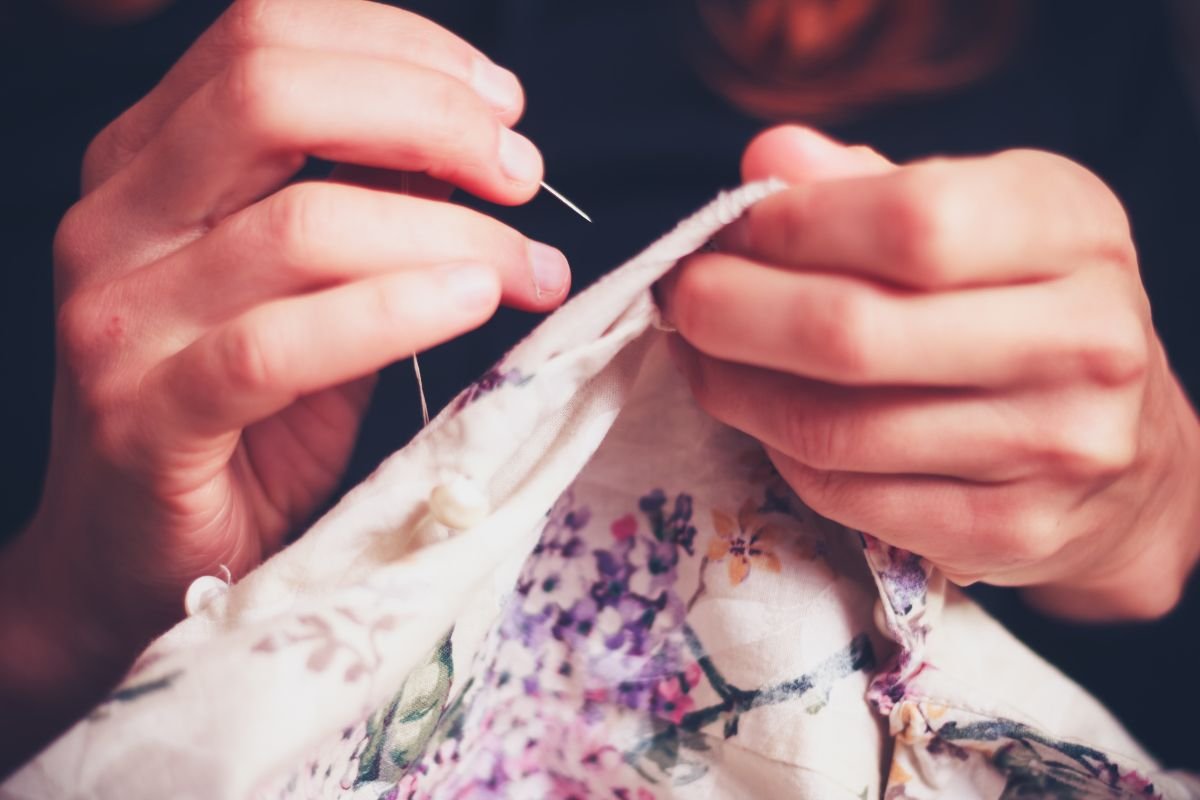
Hand sewing is one of the calmest, most approachable ways to learn the basics. It’s slower, quieter, and far less overwhelming. Perfect if you’re drawn to traditional skills, cozy hobbies, or simply want to make something with your hands without pressure.
This is sewing at its most soothing.
Why Hand Sewing Is the Best Place to Begin
Hand sewing strips sewing down to its essentials: needle, thread, fabric, time. There’s no setup, no troubleshooting, and no race to “get good” quickly.
For beginners, that’s a gift.
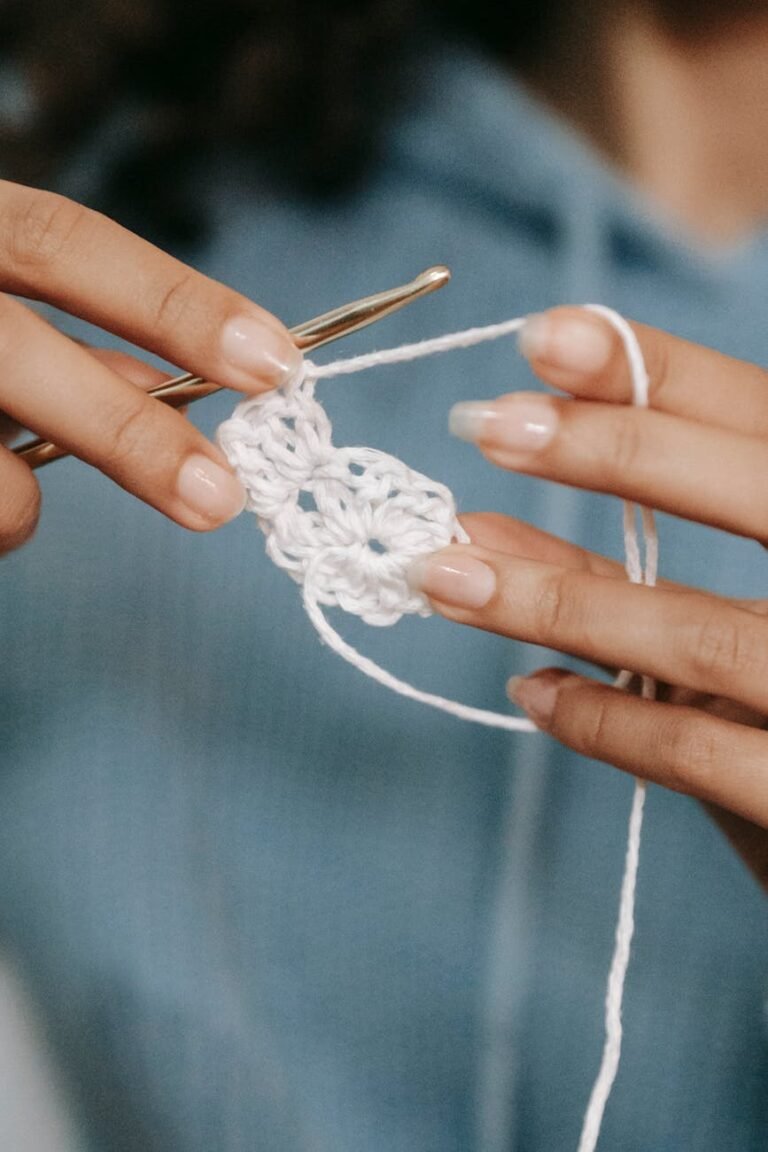
Hand sewing helps you learn how fabric behaves, build muscle memory over time, and focus on one stitch at a time. Much like embroidery or crochet, it invites you to slow down, and that’s where learning actually happens.
You Don’t Need Much to Start
One of the most reassuring things about hand sewing is how little you need to begin. A few hand sewing needles, some thread, fabric scraps, and scissors. That’s it.
No machines. No cutting tables. No special skills required.
If you’d like a simple breakdown of what actually helps at the beginning, this guide walks through the few hand sewing supplies that are truly necessary.
What You’ll Actually Learn
Hand sewing teaches you the core skills that every sewist relies on, whether they stick with hand sewing or eventually move on to machines. How to thread a needle, start and secure stitches, sew fabric together neatly, and mend everyday items.
And if you’re curious which stitches are worth learning first, this guide covers the small handful that show up in most beginner sewing.
These are timeless skills that are useful, grounding, and surprisingly satisfying.
Sewing Without the Pressure to Be Perfect
This is important to say plainly: Your stitches do not need to be perfect.
Hand sewing is forgiving. Uneven stitches still hold fabric together. Mistakes are easy to undo. Progress comes naturally with repetition.
If you’ve enjoyed embroidery or crochet, hand sewing will feel familiar. And if you’re brand new to needlework altogether, this is a gentle place to begin.
What’s Coming Next
If you’re ready to gather a few simple tools, this guide walks through what you actually need — and what you can safely skip:
Beginner Hand Sewing Supplies What You Actually, Really, Truly Need (And What You Don’t)
And when you’re ready to learn your first stitches, this post covers the small handful that will carry you through most beginner projects:
The Basic Hand Sewing Stitches That Actually Matter
We’ll also be adding a simple practice guide and an easy first project, designed to help you build confidence without pressure.
Nothing rushed.
Nothing overwhelming.
Just one stitch at a time.