Beginner Cross-Stitch Supplies: What You Actually, Really, Truly Need (And What You Don’t)
Search for cross-stitch supplies, and you might find beautifully styled photos of drawers overflowing with tons of colors of embroidery floss, specialty tools, and kits packed with things you don’t recognize.
It might seem like you need all of these things to start, but you really don’t.
Cross-stitch is one of the easiest needlework hobbies to get into. You only need a few supplies, and most are affordable and easy to find. The key is figuring out which items are important now and which can wait.
Cross-stitch is also very beginner-friendly in how it works. If you’re new to the craft and want to know why it’s a good place to start, this overview will cover the basics.
Here’s what you really need to start cross-stitching, and what you can skip for now.
The Absolute Essentials
These are the only things you truly need to begin cross-stitching.
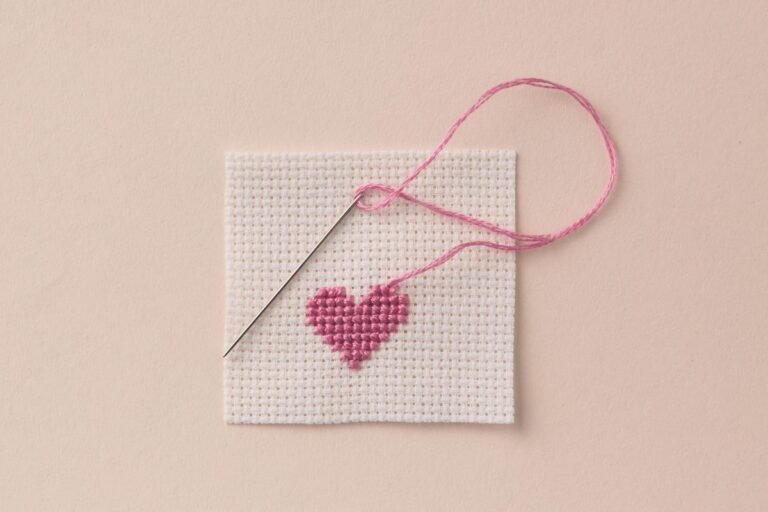
1. Fabric (Aida Cloth)
Cross-stitch fabric is different from regular fabric, and that’s a good thing.
Aida cloth has a clear, even grid that makes counting stitches easy. This structure helps beginners avoid frustration. Cotton Aida works great. You don’t need linen or special fabrics yet. Light colors like white, cream, or pale gray are easiest to see.
Look for 14-count Aida, which is the most beginner-friendly option. There’s a reason Aida is so popular, so go ahead and use it.
2. Embroidery Floss
This is the colorful thread used for cross-stitching.
Choose standard embroidery floss. DMC is often called the “gold standard” and is easy to find. Just buy the colors your pattern asks for. You don’t need a full collection, special metallic or variegated floss (although these can be fun down the road), or storage systems yet. Those can come later.
Buy what your pattern calls for and stop there.
3. Needles (Tapestry Needles)
Cross-stitch uses tapestry needles, which are different from regular sewing needles in two ways. They have blunt tips so you won’t split the fabric threads, and large eyes that make threading easier.
Look for size 24 or 26 tapestry needles. A small pack will last you a long time.
You don’t need the sharp needles used for regular sewing or embroidery. Those can actually make cross-stitch harder because they catch on the fabric.
4. A Pattern
Cross-stitch patterns are your roadmap.
A good beginner pattern uses just a few colors, has a clear symbol chart, and is marked “beginner” or “easy.” Patterns can be printed, digital (PDF), or included in a simple kit. You don’t need a complex sampler or a full-coverage design to start. There are many free beginner patterns online. DMC, LoveCrafts, The Spruce, Gathered, and other sites all offer free patterns.
5. Scissors
Any small, sharp scissors will do. They don’t have to be expensive, decorative, or just for crafts. As long as they cut floss cleanly, they’re fine.
Helpful (But Completely Optional) Supplies
These are nice to have, but absolutely not required at the beginning.
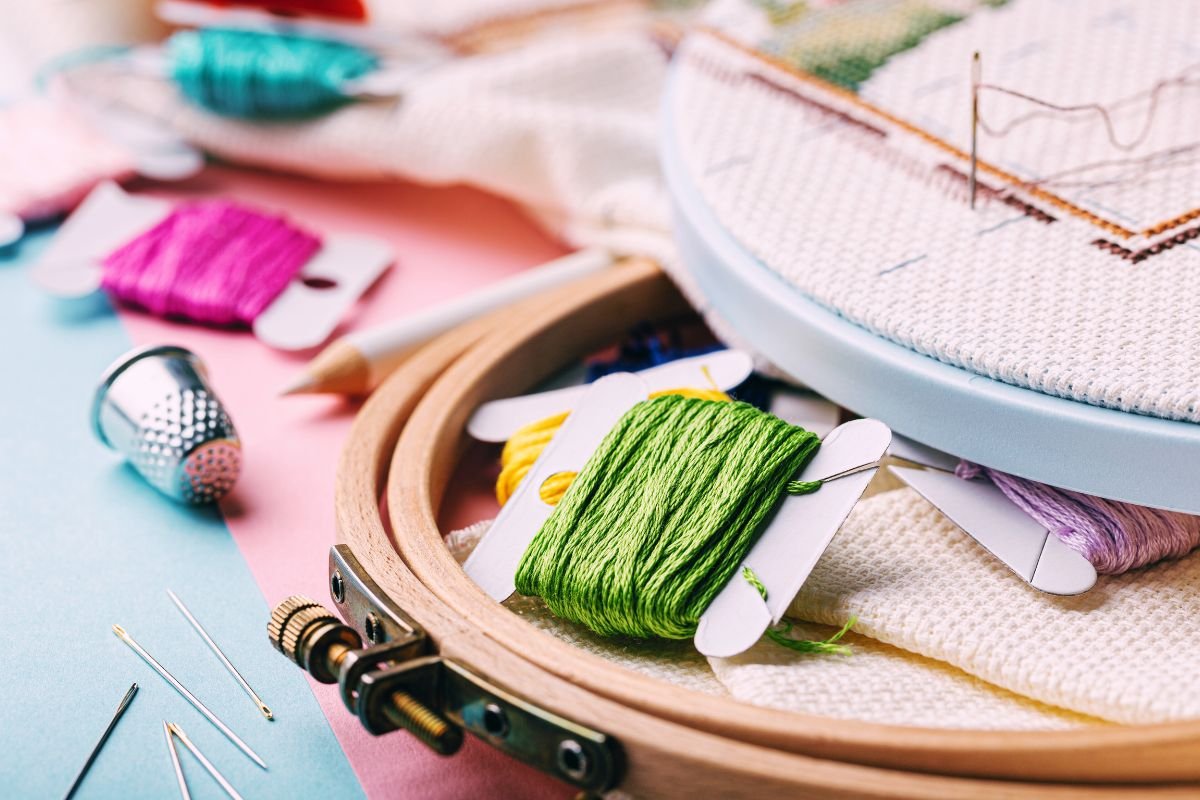
Embroidery Hoop or Frame
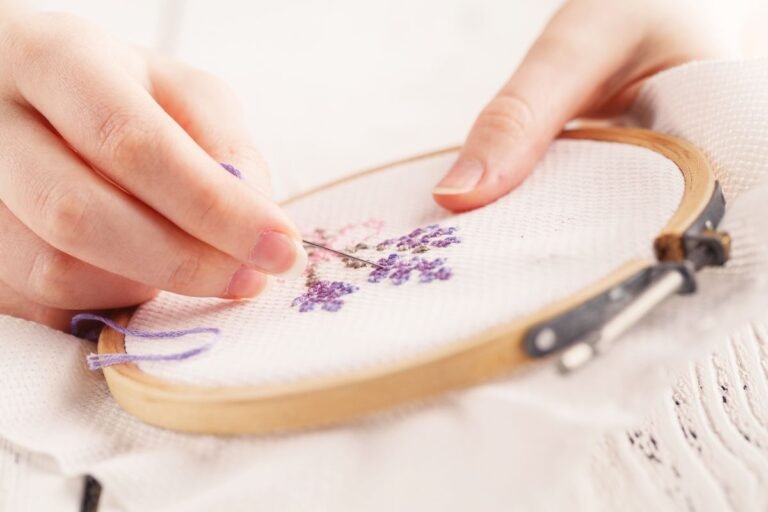
Some people like to stitch with the fabric stretched tight, while others prefer to hold it in their hands. Either way works. If you want a hoop, a small wooden one is fine. You don’t need anything fancy.
Needle Threader
A needle threader is optional, but it can be very helpful. It’s especially useful if threading needles is frustrating or hard on your eyes.
Pattern Markers or Highlighters
Some stitchers like to mark off finished sections. You can use pattern markers, highlighters, or even a pencil; mentally track progress (though I personally don’t recommend this); or not mark at all (which, again, isn’t a great idea). There’s no “right” way.
What You Don’t Need (Yet)
You can safely skip:
- Specialty fabric types
- Fancy frames and stands
- Floss organizers and bobbins
- Large kits with dozens of tools
These items might be helpful later, but you don’t need them to learn.
Why Starting Simple Matters
Keeping your supplies minimal does two important things:
- It removes overwhelm.
You spend less time managing tools and more time stitching. - It lowers pressure.
You don’t feel like you’ve invested heavily before you know if you enjoy it.
Cross-stitch should feel steady and reassuring. Your supply list should help with that, not make things more complicated.
What’s Coming Next
Now that you have your supplies, let’s talk about how to stitch.
In the next post, we’ll go over:
- The basic cross-stitch stitches that actually matter
- How patterns work
- What you don’t need to worry about at the beginning
No rush.
No pressure.
Just one stitch at a time.